Source Sofa Cover Options for Living Room, Office, and Rental Use
Source 30 sofa cover listings from China to compare materials like polyester and cotton blends. Evaluate sizes for sectional sofas, customization options, and packaging details to find suitable protective solutions for residential or commercial spaces; compare the available evidence and request quotations based on your requirements.
Key considerations
Products List


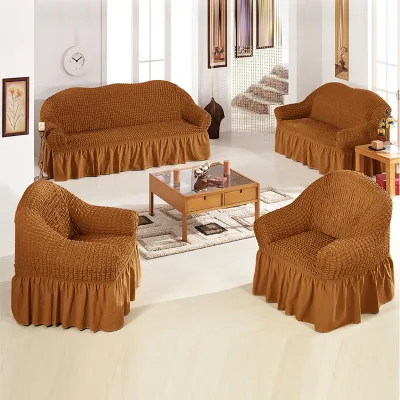


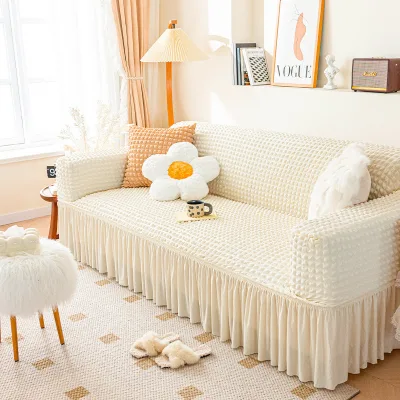


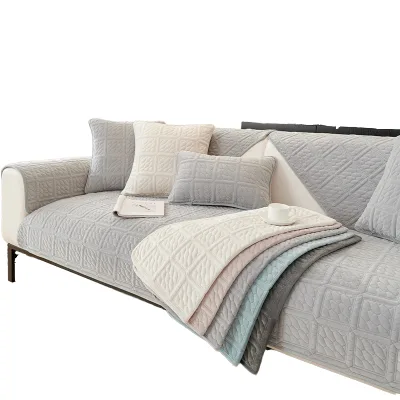
Comprehensive Sourcing Guide
Sofa Cover Sourcing Guide
Sourcing sofa covers requires a strategic approach that balances aesthetic customization with functional durability, particularly for B2B buyers targeting the home furnishings market. The current landscape features a diverse array of products, ranging from plain dyed textiles to printed designs, with a strong emphasis on modern styling and solid color palettes. Buyers must navigate a wide spectrum of material compositions, including 100% polyester and polyester-cotton blends, to meet specific client demands for texture, breathability, and ease of maintenance.
Procurement decisions are heavily influenced by the ability to customize packaging and branding, as many suppliers offer options such as PVC bags, non-woven PVC bags, and OPP polybags. This flexibility allows retailers to maintain brand consistency while protecting the product during transit. Understanding the specific model numbers and size specifications, which often range from single-person to five-person configurations, is essential for ensuring that the final product fits the intended sectional or standard sofa types effectively.
Product Scope and Observed Listing Signals
The observed market signals indicate a strong preference for plain and solid pattern styles, with many listings highlighting modern aesthetics and monochrome color options such as Egyptian gray, mustard yellow, and wine red. These visual cues suggest that buyers are seeking versatile, neutral-toned covers that can easily integrate into contemporary interior design schemes. The presence of "printed" patterns alongside solid options provides a balanced portfolio for retailers looking to offer both timeless classics and trend-driven designs to their end consumers.
Functional attributes also play a critical role in product selection, with sleep and comfort being key selling points for certain models. The weight variations observed, ranging from 0.43kg to 0.7kg per unit, indicate differences in fabric density and construction quality that buyers should evaluate based on their target price points. Additionally, the availability of customization services allows businesses to tailor products to specific niche markets, enhancing their competitive edge in a crowded retail environment.
Technical Specifications to Verify
Verifying technical specifications is crucial for ensuring product consistency and customer satisfaction, particularly regarding size ranges and material composition. Buyers should confirm that the offered sizes, such as 90-140cm for single persons up to 305-360cm for five-person sofas, align with standard furniture dimensions in their target markets. The distinction between 100% polyester and polyester-cotton blends must be clearly documented, as these materials offer different benefits in terms of durability, shrinkage resistance, and tactile feel.
Packaging specifications also require careful attention, as they impact both product protection and logistics efficiency. Suppliers may use various packaging methods, including single PVC bags, non-woven PVC bags, or OPP polybags, each with different cost and environmental implications. Buyers should verify the single package dimensions, such as 40x30x20 cm, to calculate accurate shipping volumes and ensure that the packaging meets their storage and display requirements without damaging the product during handling.
Compliance and Safety Documentation
While specific certification statuses like OEKO-TEX or FSC are noted in background data, buyers must independently verify the current compliance status of any supplier claiming these standards. It is essential to request up-to-date test reports and certificates to ensure that the materials used in the sofa covers meet international safety and environmental regulations. This due diligence helps mitigate risks associated with chemical residues or unsustainable sourcing practices, which can lead to costly recalls or reputational damage.
Documentation should also include clear labeling of the product origin, with many items originating from Zhejiang, China, a major hub for textile manufacturing. Buyers should ensure that all compliance documents are translated and legally valid in their destination markets. Establishing a clear chain of custody and verifying that the supplier adheres to recognized quality management systems can further enhance confidence in the product's safety and reliability.
Cost Drivers and Commercial Terms
Cost drivers in sofa cover procurement are influenced by material choices, customization levels, and order quantities. The observed minimum order quantities (MOQ) range from 1 to 2000 pieces, offering flexibility for both small boutique retailers and large-scale distributors. Buyers should negotiate pricing based on volume tiers, keeping in mind that higher customization, such as specific branding or unique packaging, may incur additional fees. Understanding the discount structures and sample costs is vital for accurate budgeting.
Commercial terms, including lead times and payment conditions, vary significantly among suppliers. Typical delivery times can range from 15 to 45 working days, depending on the complexity of the order and current production capacity. Buyers should clarify sample lead times, which are often 3-7 working days, to plan their inventory cycles effectively. Establishing clear agreements on penalties for delays and quality issues can protect the buyer's interests and ensure a smoother procurement process.
Supplier Qualification and Quality Control
Qualifying suppliers involves assessing their production capabilities, quality control processes, and responsiveness to customization requests. Buyers should prioritize suppliers who offer transparent communication and provide detailed product information, including model numbers and material specifications. The ability to produce custom packing and branding indicates a supplier's flexibility and commitment to meeting specific client needs, which is a valuable trait for long-term partnerships.
Quality control measures should be explicitly defined in the purchase agreement, including inspection protocols for fabric defects, stitching quality, and color consistency. Buyers may consider third-party inspections to verify that the delivered goods match the approved samples. Establishing a clear process for handling defects or discrepancies ensures that any issues are resolved promptly, maintaining the integrity of the supply chain and protecting the buyer's brand reputation.
Long-Term Procurement Checks
Long-term procurement success depends on continuous monitoring of supplier performance and market trends. Buyers should regularly review supplier delivery times, product quality, and responsiveness to ensure they meet evolving business needs. Building a relationship with reliable suppliers who can adapt to changing fashion trends and consumer preferences is essential for maintaining a competitive edge in the home furnishings market.
Additionally, buyers should stay informed about changes in material costs and regulatory requirements that may impact sourcing strategies. Diversifying the supplier base can mitigate risks associated with supply chain disruptions or geopolitical factors. By maintaining a proactive approach to supplier management and market analysis, buyers can ensure a steady supply of high-quality sofa covers that meet their customers' expectations and drive business growth.
FAQs
What materials are used for these sofa covers?
The sofa covers are primarily made from 100% polyester or a blend of polyester and cotton. Some listings specify fabric art as the material type. This ensures durability and a soft texture suitable for various home environments.
Can I customize the color and pattern of the cover?
Yes, customization is available for both color and pattern. Buyers can choose from solid colors like Egyptian gray or mustard yellow, or request printed designs. The brand name can also be customized to meet specific branding needs.
What is the minimum order quantity for these items?
The minimum order quantity varies by supplier but starts at 10 pieces for some models. Other listings indicate an MOQ range from 1 to 2000 units depending on the specific product model and customization requirements requested by the buyer.
How long does it take to receive a sample?
Sample time typically ranges from 3 to 7 working days. This allows buyers to verify quality before placing larger orders. Production lead time for bulk orders is generally between 15 and 45 working days after sample approval.
Which sizes are available for sectional sofas?
Sizes range from single person S size at 90-140cm up to five person XXL size at 305-360cm. Specific models cover dimensions like 145-185cm and 190-230cm to fit various sectional sofa configurations effectively.
Where are these sofa covers manufactured?
The products originate from Zhejiang, China. This location is a known hub for textile manufacturing. All listed items are produced in this region before being packed and shipped to international buyers.
How are the sofa covers packaged for shipping?
Packaging options include PVC bags, non-woven PVC bags, or OPP polybags. Some shipments use carton packaging for added protection. Each unit is typically packed individually to prevent damage during transit.